


Roberto Induni
paints
in motion.
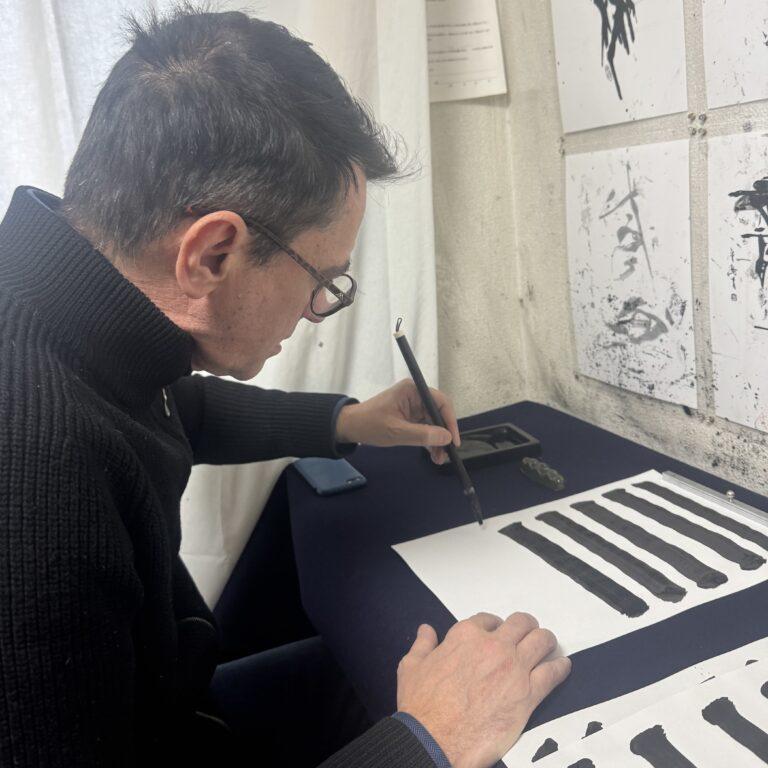
For Roberto Induni, painting is less about producing an image than entering into a relationship. One gesture calls for the next; the material responds; the painting progressively transforms the intentions of the one who paints it.
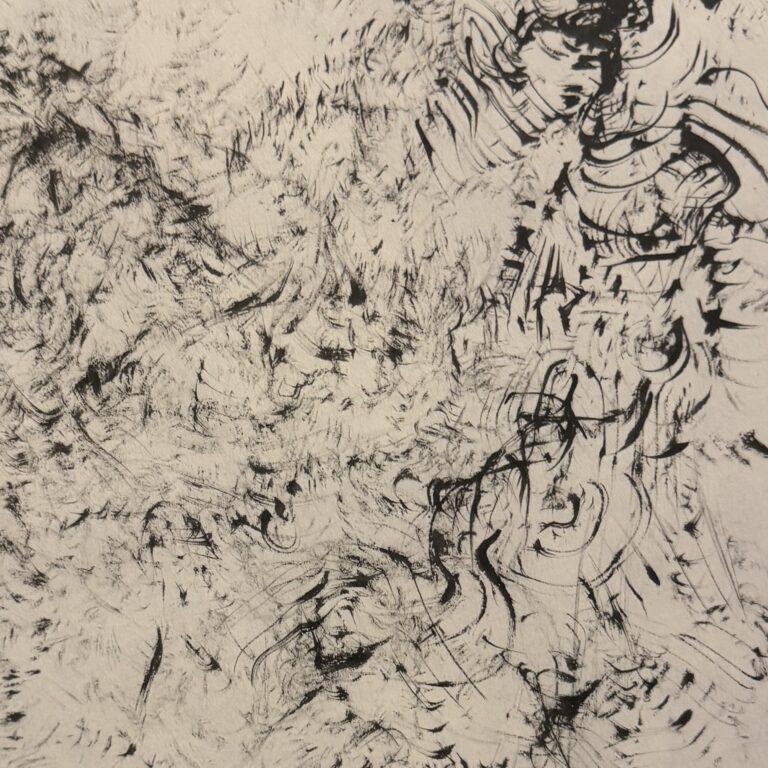
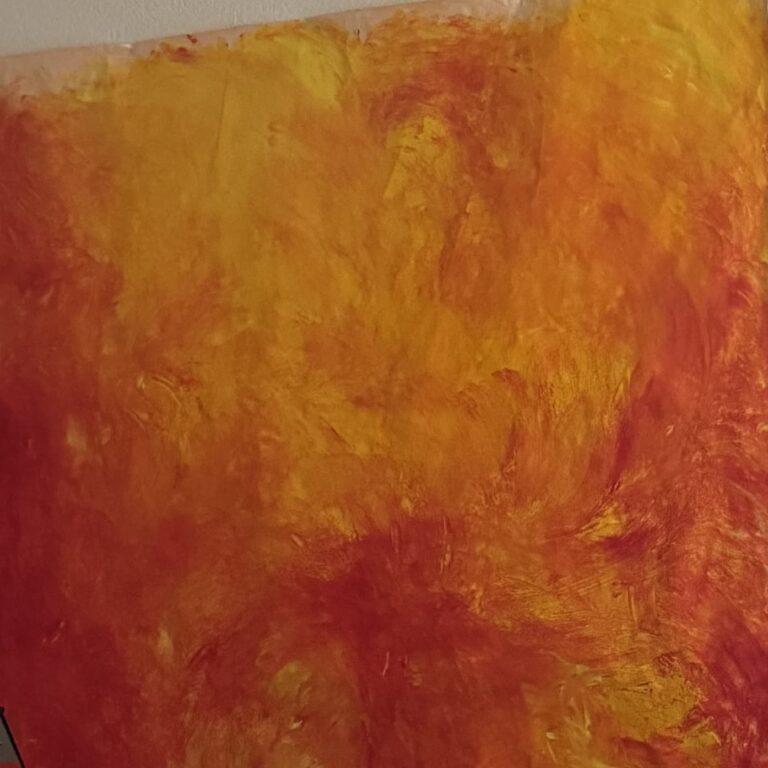
Gestural painting holds a central place in this practice today. Color is projected, pulled, erased, superimposed, reworked. Each intervention modifies the whole and necessitates reinventing what seemed established. Chance is not sought; it is welcomed when it opens up a new possibility.
From this confrontation emerge works where spontaneity never excludes rigor. Some seem to arise in a single impulse; others are built slowly, through successive reworkings and silences. All retain the memory of their creation.
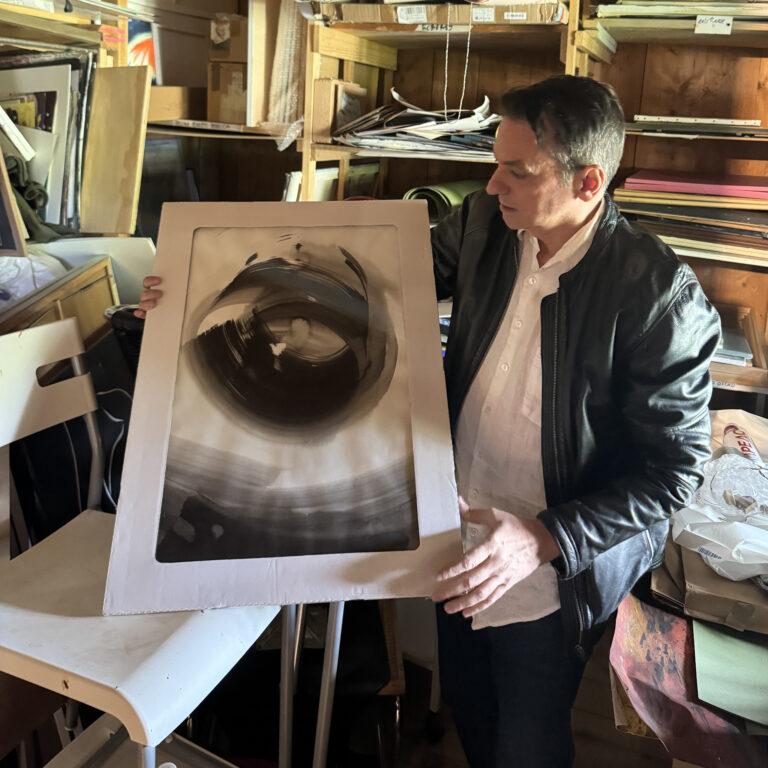
A work does not end with the last brushstroke. When it leaves the studio, it encounters other perspectives and interpretations. The painting then begins an autonomous existence. Painting thus becomes an act of trust: trust placed in the material, in time, and in that part of the work that always eludes its creator.

Roberto Induni
paints
in motion.
For Roberto Induni, painting is less about producing an image than entering into a relationship. One gesture calls for the next; the material responds; the painting progressively transforms the intentions of the one who paints it.
Gestural painting holds a central place in this practice today. Color is projected, pulled, erased, superimposed, reworked. Each intervention modifies the whole and necessitates reinventing what seemed established. Chance is not sought; it is welcomed when it opens up a new possibility.

From this confrontation emerge works where spontaneity never excludes rigor. Some seem to arise in a single impulse; others are built slowly, through successive reworkings and silences. All retain the memory of their creation.
A work does not end with the last brushstroke. When it leaves the studio, it encounters other perspectives and interpretations. The painting then begins an autonomous existence. Painting thus becomes an act of trust: trust placed in the material, in time, and in that part of the work that always eludes its creator.

Roberto Induni
paints
in motion.
For Roberto Induni, painting is less about producing an image than entering into a relationship. One gesture calls for the next; the material responds; the painting progressively transforms the intentions of the one who paints it.
Gestural painting holds a central place in this practice today. Color is projected, pulled, erased, superimposed, reworked. Each intervention modifies the whole and necessitates reinventing what seemed established. Chance is not sought; it is welcomed when it opens up a new possibility.
From this confrontation emerge works where spontaneity never excludes rigor. Some seem to arise in a single impulse; others are built slowly, through successive reworkings and silences. All retain the memory of their creation.
A work does not end with the last brushstroke. When it leaves the studio, it encounters other perspectives and interpretations. The painting then begins an autonomous existence. Painting thus becomes an act of trust: trust placed in the material, in time, and in that part of the work that always eludes its creator.